
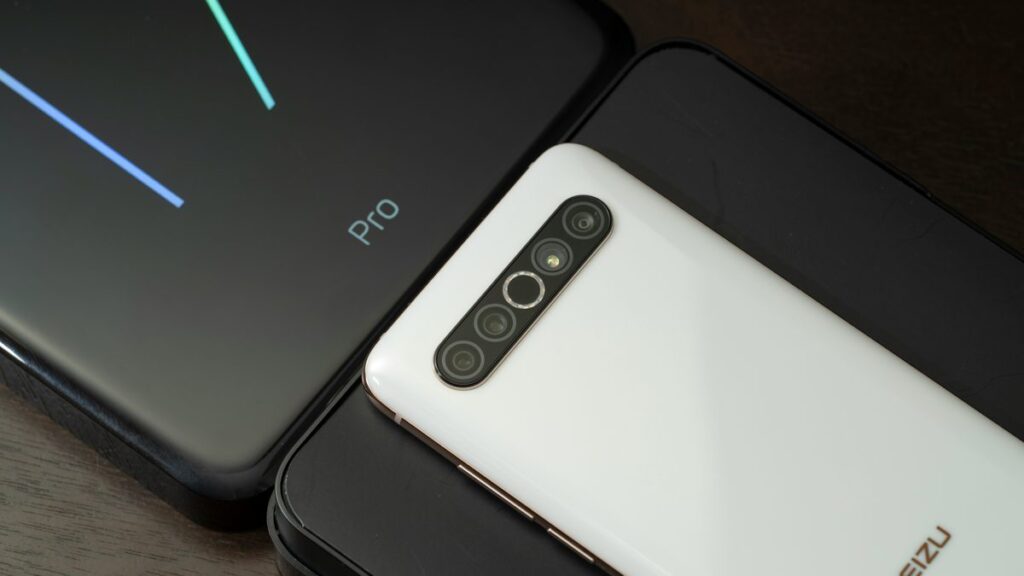
Meizu is reportedly preparing to release the first Android 5.0 Lollipop based version of Flyme for the Meizu MX4 and Meizu MX4 Pro in March!
If you own either the Meizu MX4 or the Meizu MX4 Pro, you are in for a treat. Meizu is said to be releasing an open beta of the latest version of Flyme in March, and this new ROM will be based on Android 5.0 Lollipop.
Meizu has already been quite good with updates for the Meizu MX4 Pro since launch, but MX4 owners have been less lucky with update frequency.
Hopefully both phones will see the Lollipop based Flyme developed side by side and enjoy frequent updates together. We are still waiting on confirmation of the news, and on whether international fans can look forward to an international beta in March too.
Two phones, two very different insides
The MX4 and MX4 Pro look like siblings, but under the glass they were quite different machines, and that goes a long way toward explaining why owners of one felt they were getting more attention than owners of the other.
The Meizu MX4 was unveiled in Beijing on September 2, 2014. It was the first Meizu phone to use a MediaTek processor, the MT6595, with four Cortex-A17 and four Cortex-A7 cores, a PowerVR G6200 GPU and 2 GB of RAM. It had a 5.36-inch display with a resolution of 1152 x 1920 and a 20.7 megapixel rear camera, and it shipped with Flyme based on Android 4.4 KitKat.
The Meizu MX4 Pro followed on November 19, 2014. It switched to a Samsung Exynos 5430 chip with 3 GB of RAM, a larger 5.5-inch 2K display at 1536 x 2560, and the mTouch fingerprint sensor built into the home button. It also launched on KitKat based Flyme. Meizu said more than 6.7 million pre-orders had been placed within two weeks of the launch.
Updating an Android phone means working with the chip maker’s drivers and support code, so two phones with different processors from different suppliers are effectively two separate update projects. Having the same Flyme features on both did not mean the work underneath was shared.
Why Lollipop mattered
Android 5.0 Lollipop was one of the biggest Android releases of its era. It introduced Google’s Material Design language, reworked notifications, and made the ART runtime the default in place of Dalvik. For Meizu, the challenge was not just adopting Google’s code but reconciling it with Flyme’s own look. Flyme already had its own flat design and gesture based navigation, and Meizu had to decide which parts of Lollipop to adopt and which to keep hidden behind its own interface.
That is one reason Flyme releases often trailed stock Android. The company was shipping its own operating system on top of Google’s, with its own apps, services and design, and every Android upgrade meant rebuilding that layer.
What happened next
The Lollipop based version of Flyme arrived as Flyme 4.5. It came as standard on the phones Meizu launched in the middle of 2015, including the Meizu M2 Note, unveiled on June 2, 2015, and the Meizu MX5, announced on June 30, 2015 as the MX4’s successor. It was also made available for older devices, including the Meizu MX4, the MX4 Pro and the m1 note.
So MX4 and MX4 Pro owners did get their Lollipop update, although by the time it arrived, the next generation of Meizu phones was already on sale with it preinstalled. Flyme 5 followed, based on Android Lollipop or Marshmallow depending on the device, and Meizu began running separate international (“G”) and mainland Chinese (“A”) editions of its software.
The MX4 also got a second life in a way nobody expected in early 2015. At Mobile World Congress in March 2015, Meizu showed an MX4 Ubuntu Edition running Ubuntu Touch instead of Android, which went on sale in Europe through invitations that June. We covered the run-up in Meizu confirm MX4 will be shown with Ubuntu at MWC.
What this says about Android updates
The frustration MX4 owners felt in 2015 is still one of the most common complaints about Android phones today. A few lessons hold up well:
- Beta dates are not release dates. An open beta in March is a promise about testers, not about the stable update most people install.
- Different chips mean different timelines. Two phones from the same brand can be on very different update schedules if their processors come from different suppliers.
- Custom software adds work. The more a manufacturer changes Android, the more it has to rebuild for each new version.
- Security patches count too. A phone that stays on an older Android version but gets regular security fixes can be safer than one that got a big version jump and then nothing. Look at the date of the latest security patch in the settings, not just the Android version number.
- Written policies beat reputation. Many manufacturers now publish how many years of Android and security updates a phone will receive. That number is worth more than any rumor about the next beta.
Why it still matters
Meizu’s software story has moved a long way since the MX4. Flyme kept tracking Android for years, and after Geely’s DreamSmart group took control of Meizu in 2022, it was reworked into Flyme AIOS, based on Android 14 and later Android 15, with a heavy focus on AI features. But the basic trade-off is the same one MX4 owners faced: a distinctive custom interface is part of why people buy a phone, and it is also part of why updates take longer.
If update speed matters to you, check the support policy before you buy, not after. We explain how to read those promises in what software support for N years is actually worth.