
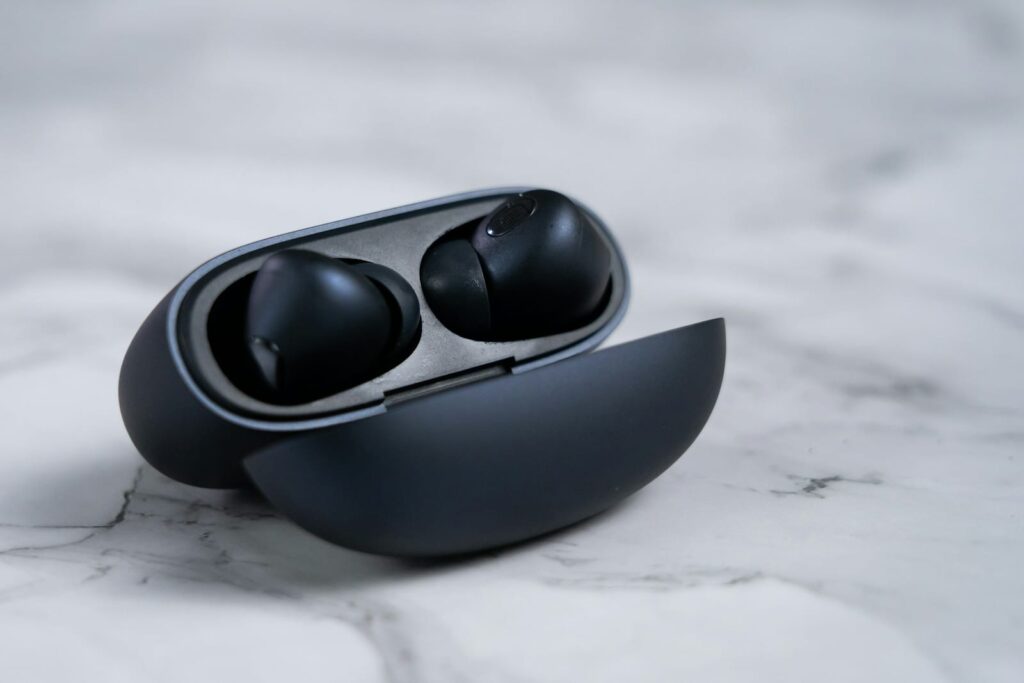
You no longer need to spend a fortune for good wireless earbuds. Features that were premium only a few years ago, like active noise cancellation, multipoint connections and app based equalizers, now turn up regularly on earbuds under $100. The catch is that this price range is crowded, spec sheets are full of numbers that do not mean much, and two pairs that look identical on paper can sound and fit very differently. Here is how to choose wireless earbuds under $100 and get real value for your money.
Start with fit, not features
Fit decides almost everything. An earbud that seals well in your ear sounds fuller, blocks more noise, stays put when you move and makes noise cancellation work properly. One that does not fit will sound thin and tinny whatever its specifications say.
There are three main designs:
- In ear (sealed). A silicone or foam tip sits inside the ear canal. This gives the best isolation and bass, and it is the design most noise cancelling earbuds use. Look for a pack with several tip sizes and try them all.
- Semi in ear. These rest in the outer ear without sealing the canal. They feel lighter and less pressurized, which many people prefer for long wear, but they let in more outside sound.
- Open ear. Clip on or hook designs sit outside the ear canal entirely. They let you hear traffic and conversation, which is useful for running or working, but they leak sound and offer little bass in noisy places.
If you can, buy from a store with an easy return policy, because the only real way to know if a pair fits is to wear it for a few days.
Noise cancellation: useful, but read the fine print
Active noise cancellation, or ANC, uses microphones to pick up outside sound and plays an inverted signal to cancel it. It works best on steady, low frequency noise like engines, air conditioning and the rumble of a train. It is much less effective against sudden or high pitched sounds like voices or clattering dishes.
Under $100, ANC quality varies widely. Some budget models do a genuinely good job, others barely make a difference. A few things to keep in mind:
- ANC depends heavily on a good seal, so fit matters even more.
- Turning ANC on usually shortens battery life.
- A transparency or ambient mode, which lets outside sound in on purpose, is very useful for conversations and walking in traffic.
- Claims measured in decibels are hard to compare between brands, because companies measure them in different ways.
Sound quality and codecs
Most people will get more from a good fit and a sensible equalizer than from chasing codec names. Still, it helps to know the basics. Every Bluetooth earbud supports SBC, the standard codec. Many also support AAC, which Apple devices use. Some Android focused earbuds support higher bitrate codecs such as LDAC or LHDC, but these only help if your phone supports the same codec and the connection is stable. We explain why in our piece on why wireless standards sound the same, and are not.
A companion app with an equalizer is worth more than it sounds. Many budget earbuds ship with a bass heavy tuning, and a few taps in an app can make them far more balanced.
Battery life that holds up
Battery life is usually quoted two ways: how long the earbuds last on a single charge, and the total including recharges from the case. For most people, five to six hours per charge is comfortable and covers a long flight with a top up. Look at whether the quoted figure is with ANC on or off, because the difference can be significant. Other useful extras include fast charging, where a few minutes in the case gives an hour or so of playback, and wireless charging for the case.
Earbud batteries are small and wear out over time. After a couple of years of daily use, expect noticeably shorter battery life. That is one reason not to overspend on earbuds you plan to use hard.
Calls, connections and controls
- Microphones. If you take a lot of calls, look for earbuds with multiple microphones per side and call noise reduction. Reviews with real call recordings are the best guide.
- Multipoint. This lets earbuds connect to two devices at once, such as a phone and a laptop, and switch between them automatically. It is a big convenience if you work from both.
- Controls. Touch controls are common but easy to trigger by accident. Physical buttons or squeeze controls can be more reliable. Check that the app lets you customize them.
- Latency. If you watch video or play games, a low latency or game mode helps keep sound in sync with the picture.
Durability and water resistance
If you plan to wear earbuds for workouts or in the rain, look for an IP rating. IPX4 means protection against splashes and sweat, which is enough for most gym use. Higher ratings offer more protection, but no ordinary earbuds are designed for swimming unless the maker says so explicitly. Keep the charging contacts clean and dry, because sweat and dirt are a common cause of charging problems.
An example from Meizu’s own range
Meizu has made audio products for years, and its current Chinese store includes several earbuds that show where budget designs are heading. The PANDAER Air Pro 3, listed at ¥299, is a semi in ear design with noise cancellation, 12.4mm titanium plated drivers, support for the LHDC high resolution codec and six microphones for call noise reduction. The PILL Open Air, a clip on open ear design made with the audio brand Moondrop and listed at ¥219, uses 13mm dynamic drivers, and Meizu says its design reduces sound leakage by 97 percent. Both sit well under $100 at those prices, although availability outside China is limited and import prices will be higher.
Where to save and where not to
At this price, it makes sense to prioritize fit, a reliable connection, decent battery life and a good app. Features worth paying a little extra for are multipoint and transparency mode. Features you can often skip are spatial audio gimmicks, exotic codecs your phone cannot use and very large battery claims that only apply with ANC switched off.
Also think about your phone. Some earbuds offer extra features, like quick pairing or advanced codecs, only with specific brands of phone. If you are shopping for a new phone as well, our guide to what a mid range phone gives up covers the connection features worth checking.
Protect your hearing
Whatever you buy, keep the volume moderate. Health authorities warn that listening at high volume for long periods can permanently damage hearing. Noise cancelling earbuds can actually help here, because you do not need to turn the volume up to drown out the background. Many phones also include hearing safety settings that track your listening levels.
The bottom line
The best wireless earbuds under $100 are the ones that fit your ears, connect reliably to your devices and last through your day. Choose the design first, in ear, semi in ear or open ear, then compare noise cancellation, battery life, call quality and the app. Ignore the loudest marketing numbers, buy from somewhere with a fair return policy, and you will get more than your money’s worth.