
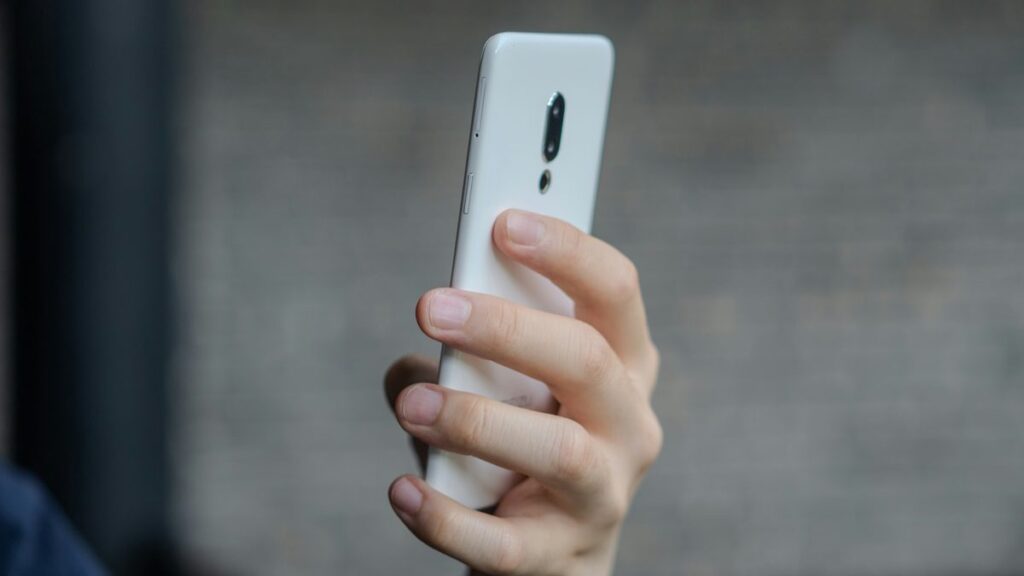
It is not the most exciting spy photo in the world, but this leaked image is said to show the unannounced Meizu m1 mini, and it shows off a yellow body option.
The Meizu m1 mini is the phone we are waiting for (well, that and an Ubuntu phone), and judging by the frequency of leaks, we should get our first real look at the smallest member of the Meizu lineup in just over a week.
Today’s spy photo shows the rear panel of the m1 mini in yellow, with just a single LED flash. On its own it does not give us much to work with, but at least we know the m1 mini will get the same plastic unibody design as the m1 note before it.
Leaks yesterday suggested the m1 mini would come with a 4.7-inch display, on par with the Xiaomi Redmi 2. If Meizu has been able to keep the bezels to a minimum, as it has on previous devices, the Meizu m1 mini will be a much more compact budget phone than we have seen before.
Why a small phone was such an appealing idea
At the start of 2015, phones were growing fast. Meizu’s own lineup showed the trend: the MX4, launched in September 2014, had a 5.36-inch display, the MX4 Pro that followed in November stepped up to 5.5 inches, and the m1 note, Meizu’s new budget phone announced in December 2014, also used a 5.5-inch screen. For people who wanted a phone they could use comfortably with one hand, the choice was shrinking.
A 4.7-inch Meizu with thin bezels would have been a rare thing: an inexpensive, compact phone from a brand known for design. That is why a blurry photo of a yellow back panel got so much attention. Every leak was being read for clues about size.
How to read a spy photo
Photos like this one are the least reliable kind of leak, and it is worth knowing why before you get excited about the next one.
- They rarely show scale. A rear panel photographed on its own tells you almost nothing about the screen size. Without a familiar object in the frame, a 4.7-inch and a 5-inch phone look identical.
- They may show prototypes. Parts photographed in factories or supply chains can come from test units that differ from the final product in details like materials, colors and even camera placement.
- They get paired with other rumors. A real photo can lend credibility to a caption that is pure guesswork. In this case the photo was of a genuine color option, while the screen size came from a separate leak.
- Accessory leaks are guesses too. Case makers often produce cases before launch based on early drawings, and those drawings are not always final.
The useful parts of this photo were the ones you could actually see: the yellow finish, the single LED flash and the plastic unibody design. The screen size was never in the picture.
What happened next
The phone launched on January 28, 2015 as the Meizu m1, and the “mini” name disappeared along with the 4.7-inch rumor. It had a 5-inch display with a resolution of 1280 x 768, around 300 pixels per inch. That made it smaller than the 5.5-inch m1 note, but not the compact phone the 4.7-inch leak promised.
The rest of what the photo showed held up well:
- Yellow was real. The m1 launched in blue, green, yellow, white, pink and peppermint blue, and Meizu offered interchangeable colored back shells.
- Single LED flash: confirmed, paired with a 13 megapixel rear camera.
- Plastic unibody: confirmed, a polycarbonate shell like the m1 note’s.
The m1 measured 140.2 x 72.1 x 8.9 mm and weighed 128 grams, so while it was not tiny, it was a manageable size for a 5-inch phone at the time. It sold for 699 Yuan, with sales starting on February 5, 2015. We tracked how the size question was settled in 5-inch Meizu m1 mini sits next to the Xiaomi Redmi in this leaked photo, which gave the first real sense of scale.
Meizu and screen sizes after the m1
The m1 was never followed by the compact model fans hoped for, and the company’s later budget and mid-range phones mostly followed the industry toward larger screens. The M2 Note, launched on June 2, 2015, went back to a 5.5-inch display, and the larger formats became the center of the lineup.
The same thing happened across the industry. Small flagship phones became rare, and several attempts to revive them over the following years struggled to sell in large numbers. Most buyers, when it came to it, chose the bigger screen.
Why it still matters
This little leak is a reminder that the most exciting part of a rumor is often the part with the least evidence behind it. The yellow color and the flash were visible in the photo. The compact 4.7-inch screen was not, and it was the one detail that did not survive to launch day.
If you want a smaller phone today, the choice is still limited, and screen size numbers are only part of the story, because modern phones have much thinner bezels and taller screens than the m1 did. The best test is the simplest one: check the width and height in millimeters, and compare them with a phone you already find comfortable to hold. For the official specifications of the phone this spy photo previewed, read Meizu m1 officially released for 699 Yuan.