
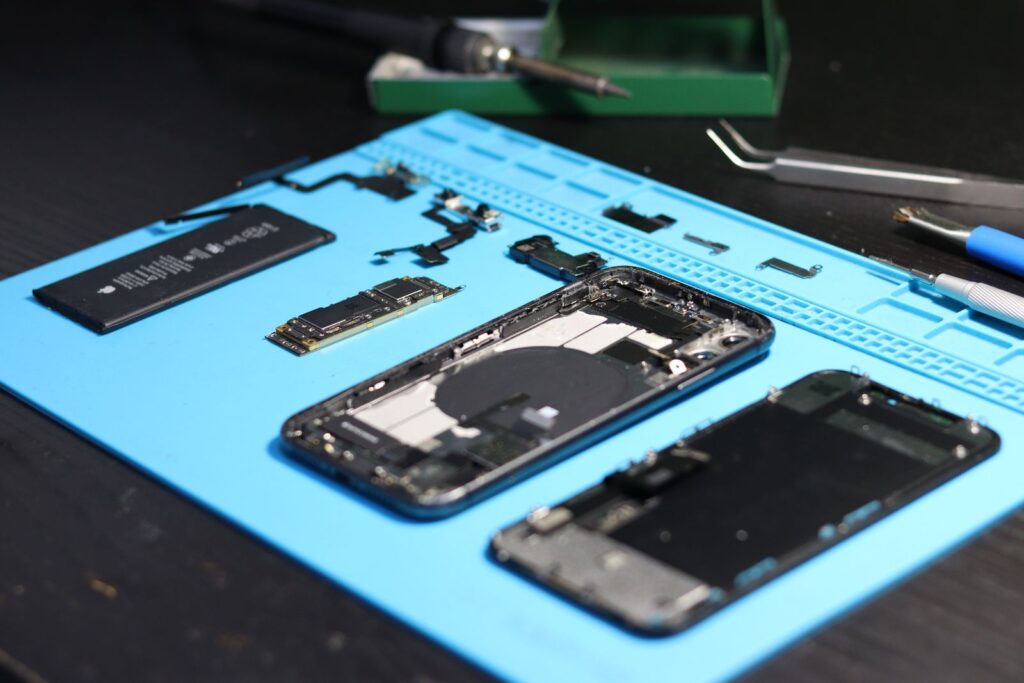
A refurbished phone promises most of the experience of a new one for noticeably less money. Sometimes that promise holds and sometimes it does not, and the difference usually comes down to three things: who refurbished it, what “refurbished” actually means on that listing, and how much software support the model has left. Here is how to tell a good deal from a false economy.
What “refurbished” actually means
The word covers a surprisingly wide range of devices. At one end are phones that were returned within days of purchase, checked, cleaned and resold with barely a mark on them. At the other are phones that spent years in someone’s pocket, got a new battery or screen, and were given a quick polish. Both can be sold as refurbished.
The main types you will see:
- Manufacturer refurbished. Restored by the brand itself or its authorized partner, usually with genuine parts, a new battery or a battery check, a new outer shell in some cases, and a warranty similar to a new phone. This is the safest option and typically the most expensive.
- Carrier or retailer refurbished. Handled by a network operator or a large retailer, often through a specialist company. Quality is usually good, and you have a known business to return it to if something goes wrong.
- Marketplace refurbished. Sold by independent refurbishers through online marketplaces. Quality varies widely from seller to seller, and the platform’s own guarantee becomes important.
- “Used” or “pre-owned.” Not refurbished at all in many cases. The phone has been wiped and resold, and that may be all.
Understanding condition grades
Most sellers grade refurbished phones by cosmetic condition. The labels differ between sellers, but a common pattern uses words like “excellent,” “very good” and “good,” or letters such as A, B and C. The important thing to know is that these grades usually describe how the phone looks, not how well it works. A lower-grade phone should function just as well as a top-grade one; it just has more scratches.
That makes the lower grades the best value for many people. If you use a case anyway, a few marks on the back are irrelevant. Read the seller’s own definition of each grade before you buy, because one seller’s “good” can be another’s “fair.”
The battery is the part that matters most
Lithium-ion batteries wear out with use. A phone that has been charged every day for a couple of years will not hold its charge as long as it did when new, and a tired battery is the number one reason a refurbished phone disappoints.
Before you buy, look for:
- A stated minimum battery health. Better sellers guarantee a minimum capacity compared with a new battery, or replace the battery as part of refurbishment.
- A way to check. iPhones show battery health in the settings, and many Android phones now show battery information too. Check it as soon as the phone arrives.
- A battery replacement cost. If the price is very attractive but the battery is weak, find out what an official battery replacement would cost for that model and add it to the price.
Software support is the hidden expiry date
A refurbished phone can be in perfect physical condition and still be a poor buy if its software support is about to end. Once a phone stops receiving security updates, it becomes riskier to use for banking, email and anything else sensitive, and apps gradually stop supporting it.
Manufacturers now publish how long they support their phones, and the policies have become much longer on recent flagships from Apple, Google and Samsung. The key is to count from the phone’s release date, not from when you buy it. A refurbished phone that launched several years ago may have little support left, however good it looks. We explain how to read these promises in our guide to what software support for N years is actually worth.
When a refurbished phone is a great idea
- You want a flagship camera and screen without the flagship price. A refurbished high-end phone from a recent generation often beats a new mid-range phone at the same price. We made a similar case in the case for buying last year’s flagship.
- It is a phone for a child or a backup device. A refurbished phone is ideal when you want something reliable without paying for the newest model.
- You care about waste. Keeping a working phone in use longer is one of the simplest ways to reduce electronic waste.
When you should buy new instead
- The discount is small. If a refurbished phone costs only slightly less than a new one with a full warranty, the new one is usually the better deal.
- Support is nearly over. Paying less for a phone that will stop receiving updates soon is a false saving.
- The seller is unknown and the guarantee is weak. A cheap phone with no real recourse if it fails is not cheap.
A checklist before you buy
- Buy from a seller with a clear warranty, ideally at least a year, and an easy return policy.
- Read the seller’s definition of each cosmetic grade.
- Check the guaranteed battery health, or whether the battery was replaced.
- Look up the model’s release date and the manufacturer’s update policy.
- Make sure the phone is unlocked, or locked to the carrier you use, and that it supports your carrier’s network bands.
- Confirm the phone is not blacklisted or tied to someone else’s account. Reputable sellers check this.
- Check which charger and accessories are included. Many refurbished phones ship with only a cable.
What to do when it arrives
Test everything within the return window: cameras, speakers, microphones, charging, Wi-Fi, Bluetooth, the fingerprint sensor or face unlock, and every button. Make a call and send a text. Check the battery health in settings and install any available software update. If anything is wrong, return it immediately rather than hoping it will improve.
The verdict
A refurbished phone is worth it when three things line up: a trustworthy seller with a real warranty, a healthy battery, and enough software support left to cover the time you plan to keep it. Get those right and you can enjoy a better phone for less money, while keeping a perfectly good device out of the waste stream. Get them wrong, and the savings disappear fast.